What Anthropic’s Mythos Means for Security
Can Your Organization Patch at AI Speed? Anthropic’s Claude Mythos Preview is a powerful AI model designed to identify and exploit software vulnerabilities at a speed and scale never seen before. Anthropic has stated that Mythos has already found thousands of high-severity vulnerabilities, including flaws in every major operating system and major web browser. Anvaya […]
Read More
Using AI in Penetration Testing
Using AI in Penetration Testing: The Future Is Already Here Artificial Intelligence is no longer a futuristic concept in cybersecurity. It’s already embedded inside enterprise networks, security tooling, development pipelines, and increasingly, inside real-world attacks. See how the experts are adapting and using AI in penetration testing If you’re not actively thinking about how AI […]
Read More
How to Secure Your Application in 2026
How to Secure Your Application in 2026 Modern businesses rely more and more on software every day. Even then, more and more companies are asking the same critical question: How do you truly secure your application? Application Security in 2026 Requires a Shift in Thinking Entire businesses now run on software, and the security of […]
Read More
How to Choose the Right Penetration Test Partner
Beyond the Scan: How to Choose the Right Penetration Testing Partner Everyone needs to know how to chose the right penetration test partner. Engaging an independent Vulnerability Assessment (VA) and Penetration Testing (PT) consultant is a strategic decision that directly impacts an organization’s security posture. Drawing from real-world practitioner experience, this blog breaks down what […]
Read More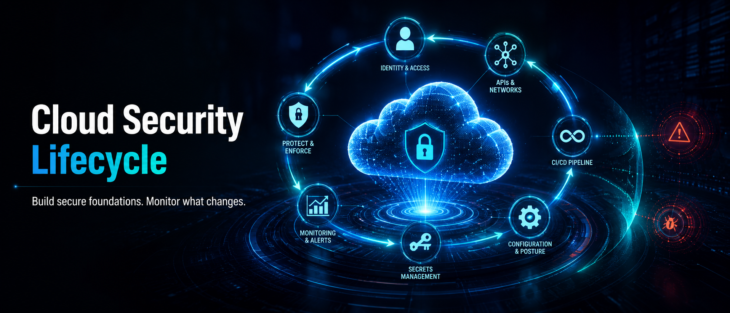
Cloud Security Lifecycle Best Practices by Anvaya
Cloud security lifecycle best practices and Anvaya’s practical take on protecting what changes every day Cloud security matters because the cloud changes faster than most security programs can keep up with. The cloud is a living environment made of identity, APIs, automation, managed services, short-lived workloads, third-party integrations, and constant deployments. That velocity is exactly […]
Read More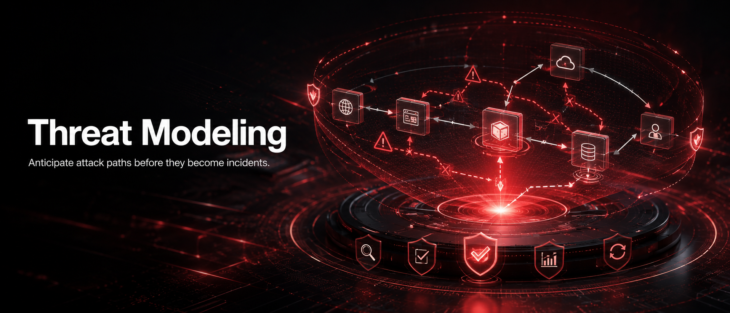
The Purpose of Threat Modeling
From Understanding to Anticipation: The Purpose of Threat Modeling The primary goal of Threat Modeling is to anticipate and mitigate attack vectors, vulnerabilities, and threats before they can be exploited. This structured approach aligns closely with federal guidance, including NIST SP 800-30 “Guide for Conducting Risk Assessments” and NIST SP 800-154 “Guide to Data-Centric Threat […]
Read More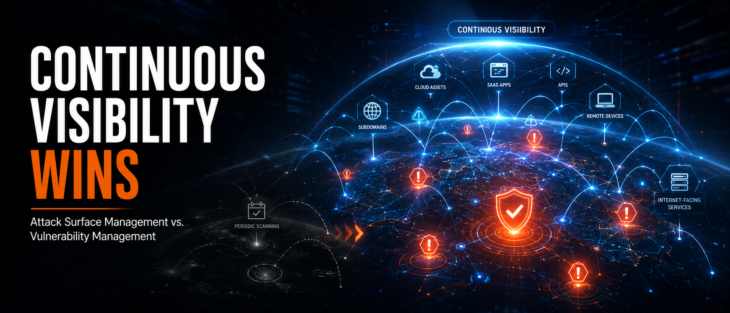
Attack Surface Management vs. Vulnerability Management
From Periodic Scanning to Continuous Visibility For years, organizations relied on traditional vulnerability management (VM) — scanning known assets, identifying weaknesses, and patching them. While VM remains essential, today’s cloud-driven, interconnected environments have dramatically changed the security landscape. In this blog we discuss attack surface management vs vulnerability management Modern enterprises aren’t defending static networks […]
Read More
CMMC – Protecting the Future of Your DoD Contracts Starts Now
Why CMMC Matters to You If your organization is part of the Defense Industrial Base (DIB), cybersecurity is no longer just a best practice – it’s going to be a contractual requirement. The Cybersecurity Maturity Model Certification (CMMC) ensures that every company handling Federal Contract Information (FCI) or Controlled Unclassified Information (CUI) meets strict data […]
Read More
90% of the World’s Data Was Created in Two Years!
Why Penentration Testing is More Critical Than Ever 90% of data, in existence today, was created between 2021 – 2023. This explosion of data creation underpins deep shifts in how we live, work, and interact with technology. But with that volume of data come equally complex issues regarding its security. The Data Deluge: A Two-Edged […]
Read More